Recovery does not mean becoming who you were before. Sometimes it means learning how to live as a healthier, more honest version of yourself.
Who is Joeburney?
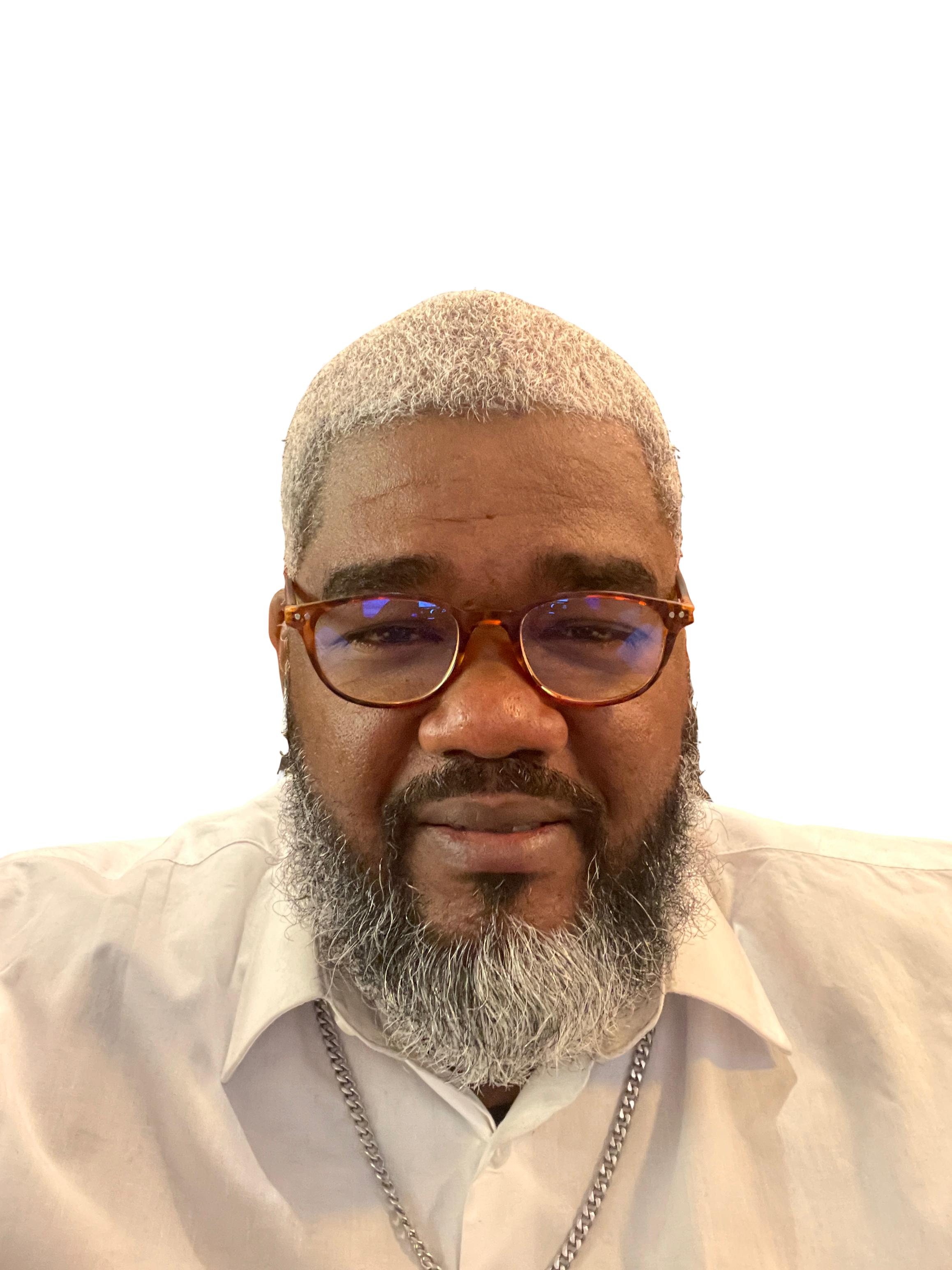
Joeburney is a man born in Montaña, Curaçao, and raised as the eldest of four children in a single-parent household. From a very young age, he carried a strong sense of responsibility for his mother and siblings, often putting their needs before his own. This pattern continued into adulthood, shaping both his personal life and professional career.
He later became a director of an organization, known for his dedication, high standards, and strong work ethic. His identity was deeply tied to caring for others, achieving results, and taking responsibility, often at the expense of his own well-being.
When life became too heavy
Life became too heavy when years of pressure, responsibility, and perfectionism caught up with him. As a director, he carried the weight of the entire organization on his shoulders, believing that nothing could go wrong under his leadership. At the same time, conflicts at work, public criticism, and negative media attention began to escalate. This combination led to emotional exhaustion, social isolation, and a deep sense of failure.
His physical health also deteriorated, and he eventually experienced a TIA. He fell into severe burnout and deep depression, lost his sense of identity, and even developed suicidal thoughts because he could no longer see a way out.
The breaking point
What made this period even heavier was the social dimension of his suffering. There were negative stories about him, tensions in his environment, and experiences of exclusion that made him feel increasingly isolated. He describes feeling as if he had become a stranger in the place where he lived, while also no longer recognizing himself.
At that point, everything became dark. He could not see his future, his role, or his value clearly anymore. That was the point where the need for help became undeniable.
What helped his recovery?
His recovery began with the crucial step of acknowledging that he needed help and being willing to accept it. Professional support played an important role, including therapy with a psychologist and guidance from a burnout center. Equally important was the support from his personal network—his wife, who stood by him and learned how to support him, and close friends who checked in daily. A coach and pastor provided spiritual and emotional guidance.
His faith and prayer also became key sources of strength. He describes calling out to God from the depth of his suffering, and that moment became an important turning point in his journey. The combination of professional help, social support, and spiritual grounding helped him gradually rebuild his life.
Recovery as a slow process
Joeburney's recovery did not happen quickly. It took a long time, and it came with setbacks, overprikkeling, emotional heaviness, and the difficult task of accepting that he was no longer the same person as before. Instead of returning to the old version of himself, he had to learn how to live differently.
He began to see himself as “Joeburney 2.0.” That meant setting boundaries, listening to his body and emotions, being kinder to himself, and no longer carrying everything alone. Recovery became not just survival, but a new way of living with more balance and self-awareness.
What recovery means to him now
For him, recovery means much more than simply returning to how things were before. It is about rediscovering himself and learning a new way of living that is healthier and more balanced. He learned to set boundaries, listen to his body and emotions, and prioritize his own well-being. Recovery also meant accepting vulnerability, embracing self-compassion, and letting go of the need to be perfect or to carry everything alone. It is an ongoing, non-linear process with ups and downs, but also one that brings growth, deeper self-awareness, and a renewed sense of purpose and direction.
He learned that if he is well, the people around him can also be well. That shift changed the way he sees responsibility, care, and strength.
How he supports others now
Today, he uses his personal journey as a source of strength to support others who are facing similar challenges. He wants to break the stigma around mental health, especially among men, who often struggle to speak openly about their emotions. By sharing his story, he offers recognition, hope, and understanding to those who feel alone.
He aims to guide others through their recovery process, using both his lived experience and the lessons he has learned along the way. In doing so, he transforms his own suffering into something meaningful that can positively impact others.
A message to anyone going through a difficult period
Joeburney's message is that no matter how dark or overwhelming life may feel, you are not alone and there is always hope. It is okay not to be okay, and it takes courage to ask for help. Even when you cannot see a way forward, small steps can lead to change over time.
Healing does not happen overnight, and setbacks are part of the journey, but they do not define you. There is strength in vulnerability, and there is growth in struggle. With the right support and patience, it is possible to find light again and rebuild your life.